How to pick a good name (and which generator to use)
A good name does two jobs at once: it tells the audience what kind of thing they are looking at, and it stays out of the way afterwards. Readers forgive a plain name; they rarely forgive one they cannot pronounce, cannot remember, or cannot tell apart from the character standing next to it. Before you generate anything, it helps to know what you are actually selecting for.
What makes a name work
First, fit the register. A name carries a tone the way clothing does: a gritty survival story and a whimsical children's tale can both feature a dragon, but "Vermithrax" and "Puddle" belong to different books. Decide how serious, how ancient, and how foreign the name should feel, and generate inside that register rather than fishing across all of them.
Second, protect readability. Say the name out loud once; if you stumble, your readers and teammates will too. Watch for lookalike collisions inside the same cast: two names that share a first letter and length ("Aldric" and "Aldrin") will blur together on the page. And keep length proportional to use: a place on a map can afford three syllables more than a handle you will type into a login box every day.
Third, check the name's history when it matters. Names themselves cannot be copyrighted, but a quick search protects you from accidental overlap with a famous character, a real public figure, or a registered trademark in your market. Thirty seconds of searching is cheap insurance for a commercial project.
How the original six generators differ
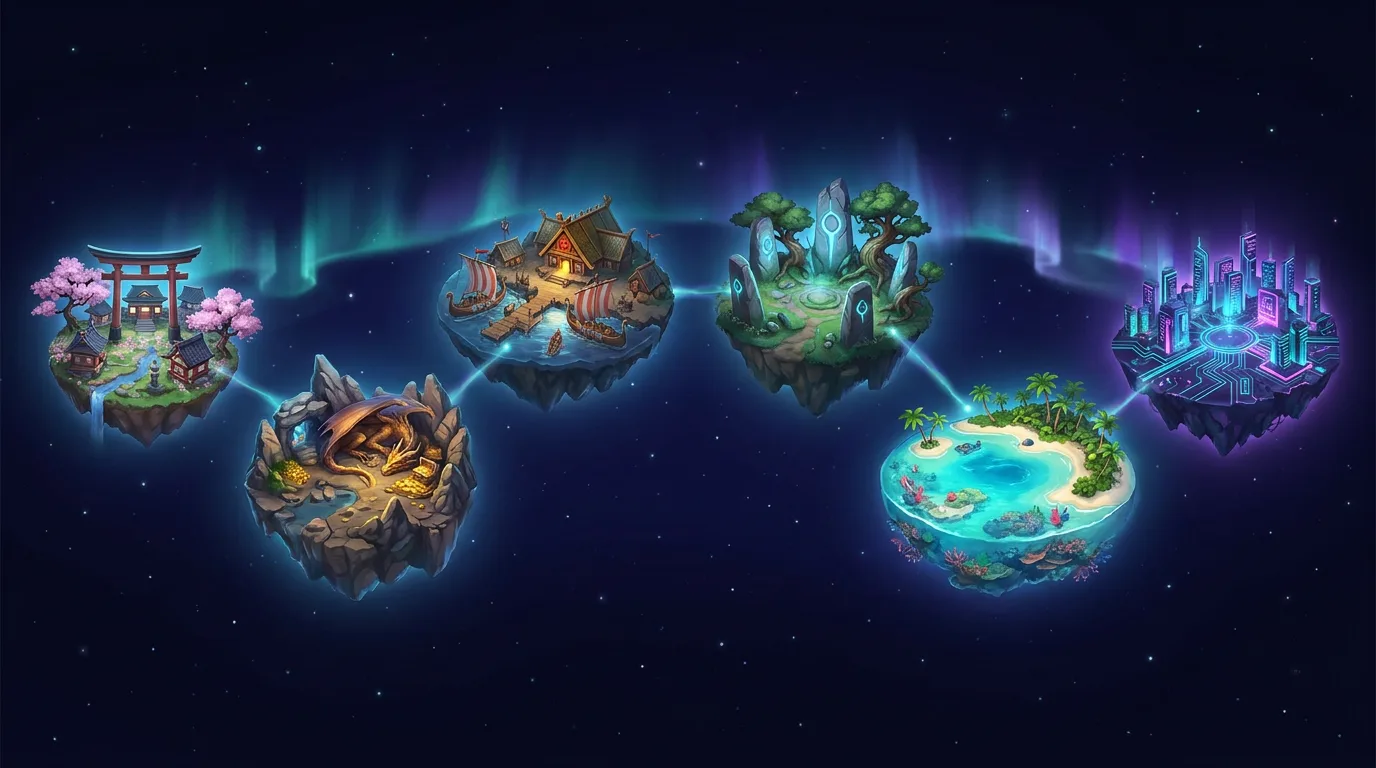
Each generator in the NamesPlease family is a separate, focused tool with its own word banks and its own rules, because each style of name is built differently. The Japanese generator assembles given names and surnames from real name elements, so results read naturally for anime-style characters and contemporary fiction alike. The Dragon generator leans on hard consonant clusters, long vowels, and honorific patterns so a hatchling and an ancient wyrm come out sounding like relatives, not strangers. The Island generator builds place names, mixing geography words, weather, and legend so a map full of its output feels charted rather than random.
The Norse and Viking generators are cousins with different jobs: Norse draws on Old Norse roots and the mythic register of gods, seers, and saga verse, while Viking aims at the human scale, warriors, jarls, and shieldmaidens, and adds bynames and epithets of the kind real Norse people actually carried. Finally, the Gamertag generator optimizes for the modern constraint set: short, distinctive handles that read well in a kill feed and fit the username rules of popular game platforms.
A practical workflow: pick the generator whose register matches your project, generate a batch of ten or twenty, shortlist three, then say each survivor aloud and check it against the rest of your cast or your map. The right name is usually the one you stop noticing.